
Is My Home Service Provider Really Just a Platform?
In today’s tech world, there’s a huge push to make money with an app or platform which doesn’t provide an actual product or service, but instead is an online platform for offering the services and products of others. While we are accustomed to this with Amazon and Airbnb for example, is that what you want for your home renovation or repair?
A GROWING TREND
The platform trend has caught on in the construction field. Angie’s List and HomeAdvisor were the forerunners – they don’t actually do any work on your home, but instead provide a platform and listing for people who do the actual work. Sometimes they charge both the service provider and the prospective client for this connection.
Now smaller businesses have adopted this model. The most common one I’ve seen is painters. A savvy businessman will put advertising and branding in place, with a nice website and social media, etc. A client finds them online and the salesperson and proposal are professionally presented. Once hired, the “platform” type company brings in a subcontractor to do the actual labor. If it’s a good platform company, they’ll communicate scope and paint colors well to the worker and check their work.
IS THIS A PROBLEM?
So the question remains: is the model of subcontracting out the work to a 3rd party a problem? As a builder, I call this the “sub-to-the-sub.” If the platform company hands off the project to their subcontractor with insufficient oversight, you are now left with a guy in your home who wasn’t privy to any of your conversations about paint colors, work scope, quality needs, etc. It is very common that this subcontractor to the contractor will not be English speaking. The reality is that you don’t know who you’ve hired. If you want some quality details attended to, you have to hope the platform company will oversee communication and QC with this unknown entity. As a builder I want to know who I’m hiring and I do not allow my subcontractors to subcontract work I hire them to do to others. It’s too much of an unknown, and I’m responsible for the work.
PRICING WITH AN APP
More and more we’re seeing AI generated proposals submitted to us by subcontractors. Filled with excessively flowery language often without much meaning, the pricing has no “reasonability check.” Recently we received pricing from a sheetrock subcontractor – the smaller job was priced higher than the larger job. AI output needs a practiced eye to screen out obvious stupidity like this. Some platform companies are businessmen who’ve purchased an App but don’t have much knowledge and no way to review their AI output for reasonability.
IT MIGHT BE DIFFERENT FOR A HOMEOWNER
A platform type service provider might work for a homeowner, especially if the provider has great communication skills (in the language of their client and their sub) and careful oversight of their subcontractor. The markup that the platform company adds might be worth it if they provide detailed, accurate pricing, quality oversight and product expertise as well as English speaking project management. If the company is reachable and attentive, the providing of a clean “user interface” might be money well spent.
This seems like a fair enough question that I should include it in this article. Many builders no longer have any tradesman employees. A top notch builder that has no in house carpenters would work with a curated team of tried and true subcontractors. Because of licensing requirements, any builder has to at a minimum subcontract out the plumbing, electric and HVAC work.
Most builders agree that you get the best value and quality by hiring specialists for each phase: flooring, tile, drywall, roofing and so on. My company still has in house carpentry employees, but even so, as the projects get bigger our company’s role is more and more in project management. The builder’s role is to take a set of developed blueprints and project specifications and provide a complete plan and price for executing the project, and then to manage the project and quality until the last screw is installed.
A good builder has knowledgeable management and oversight on the job daily - It’s not just a hand off of work scope to someone else. A builder who is a dedicated project manager is worth his weight in gold, never mind his markup!

HOW CAN YOU TELL IF A COMPANY IS A PLATFORM?
Unfortunately, one cannot always tell until you’ve hired a company that you’ve ended up in this sub-to-the-sub configuration. Once a roofer I worked with told me he had a good framing crew. His roofing and siding quality were consistently good so I hired him for a framing project. Then he sent a subcontractor to do the work. I was pretty vexed with myself that a veteran like me fell for this. This subcontractor was completely unknown to me and now I had a wild card on my job site that I’m responsible for. Stressful!
Here’s a few things to probe to flag that a company may be just a platform:
Ask specific questions about the products they will use. What brick would be a good match for my chimney? What paint or polyurethane brand do you prefer? Watch out for the salesperson doesn’t have much technical knowledge – maybe he bought an AI App and hopes the sub to the sub will know what to do.
Ask direct questions about how many employees they have.
Directly ask if they sub out their work to others. If you see nervousness and equivocation, you have your answer.
Ask for the name of the project foreman and if the person you are meeting with will be on site daily.
Ask specific questions about how they will protect your home. If they don’t know, they may not be the ones doing the work at all.
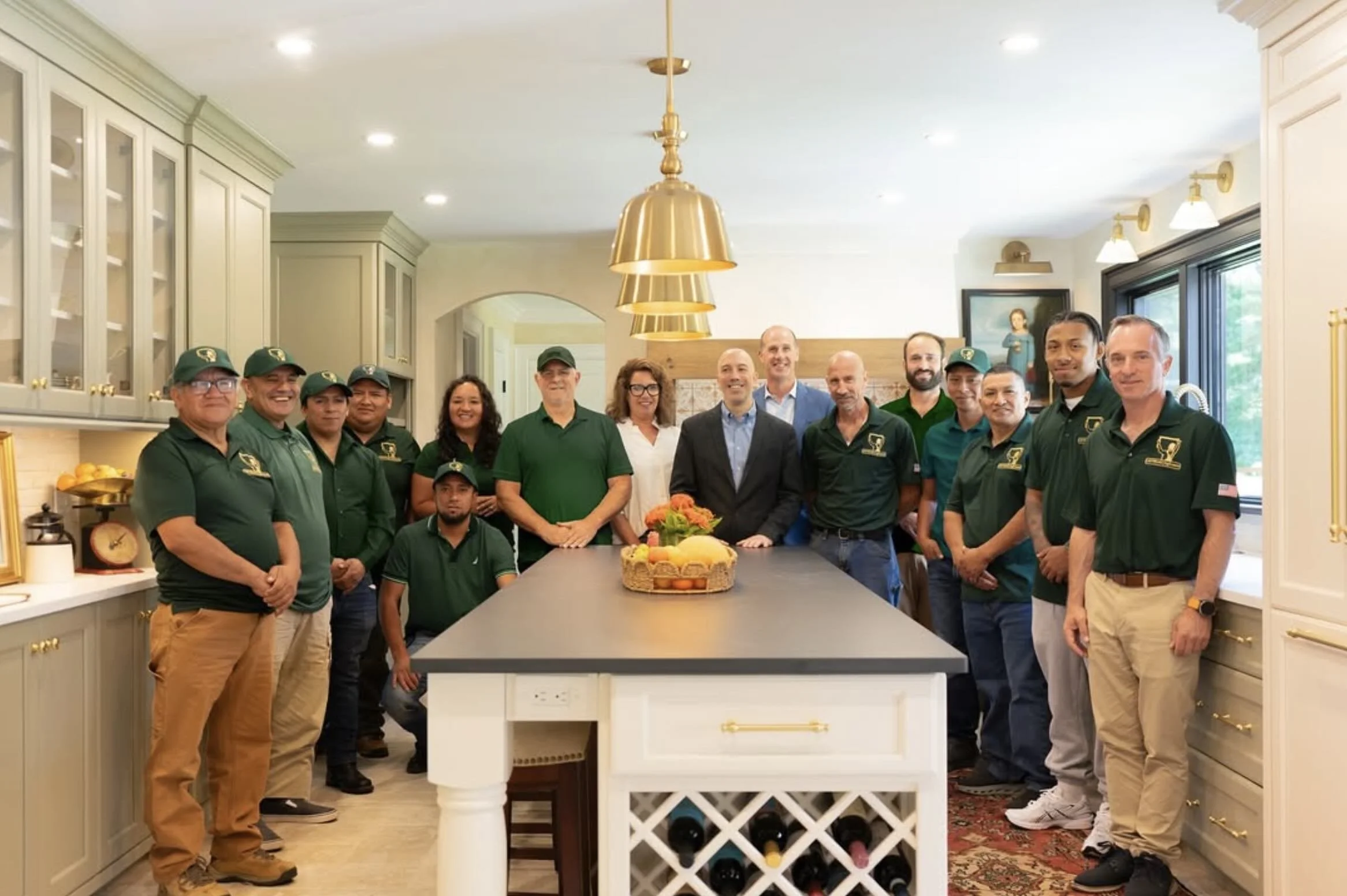
ALWAYS Know Who’s Really Doing the Work
Before hiring a contractor, ask who will actually do the work, who will supervise it, and who is accountable for the final result.
A couple of other wild cards
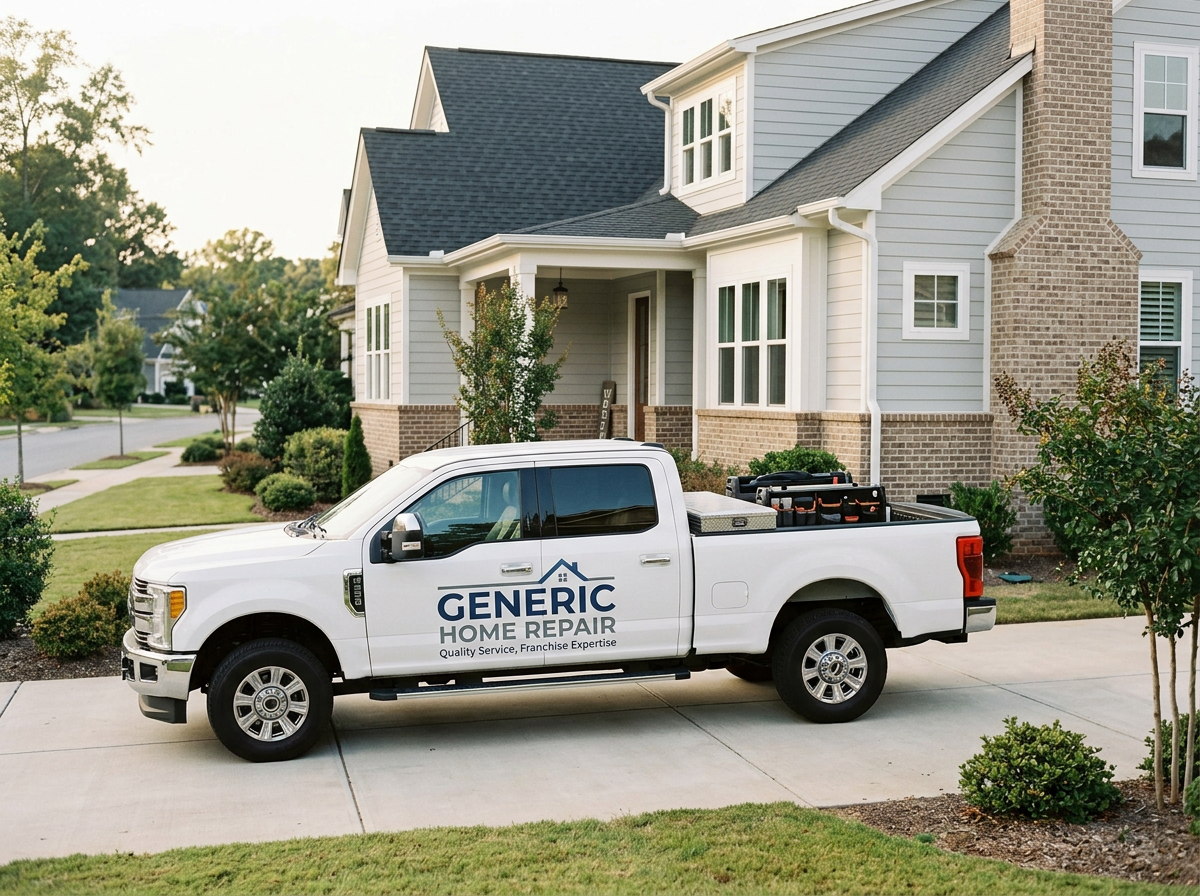
Many companies are franchises, with each branch independently owned and operated, as the expression goes. This means that the driver of the fancy Certa-Pro van that pulls up in front of your house has to be vetted specifically. He has bought ownership in a franchise with widespread marketing, but be sure to get references from past clients who specifically worked with the branch of the franchise you are considering hiring.
Some glitzy companies are not only franchises, but also are operated with the “sub to the sub” configuration, where the salesman may never be seen again once the job starts. A certain basement waterproofing company is famous for this. The sub they hire to execute the work never seems to quite know what the salesman promised, or what the plan for execution of the work was (assuming there was one). And there you are with a stranger in your house who doesn’t seem to be aware of the conversations you had with the salesperson and the assurances they gave you.
Conclusion
I’m hoping his article could be food for thought and help homeowners screen prospective service providers with eyes open. Professionally presented proposals and handsome branding have to be more than a veneer to deliver the quality and service you want in your home.