
Can I Order My Windows & Custom Product such as Doors & Cabinetry Before my Building Permit is Approved
At the end of the design phase, homeowners often want to begin ordering long-lead items like windows while a project goes through plan review at the building department. But ordering custom products before approval carries risk. Even experienced architects and designers cannot fully eliminate that risk because building code interpretation and enforcement vary by municipality and are constantly changing.
At the conclusion of a design phase, when a project is fully specified, both builder and client are usually eager to start the construction phase. A building permit can take 2-10 weeks to go through the approval process depending on the municipality & the complexity of the project. Windows have a lead time of 4-8 weeks. So the question comes up on pretty much every large renovation “Can we run these timelines in parallel?”
The short answer is that no one can guarantee that feedback from the building department will not affect the windows, or layout in some way that impacts cabinetry or other custom products. This risk is reduced if you have a veteran, knowledgeable designer or architect who knows how to design to meet building codes, but it’s not eliminated.
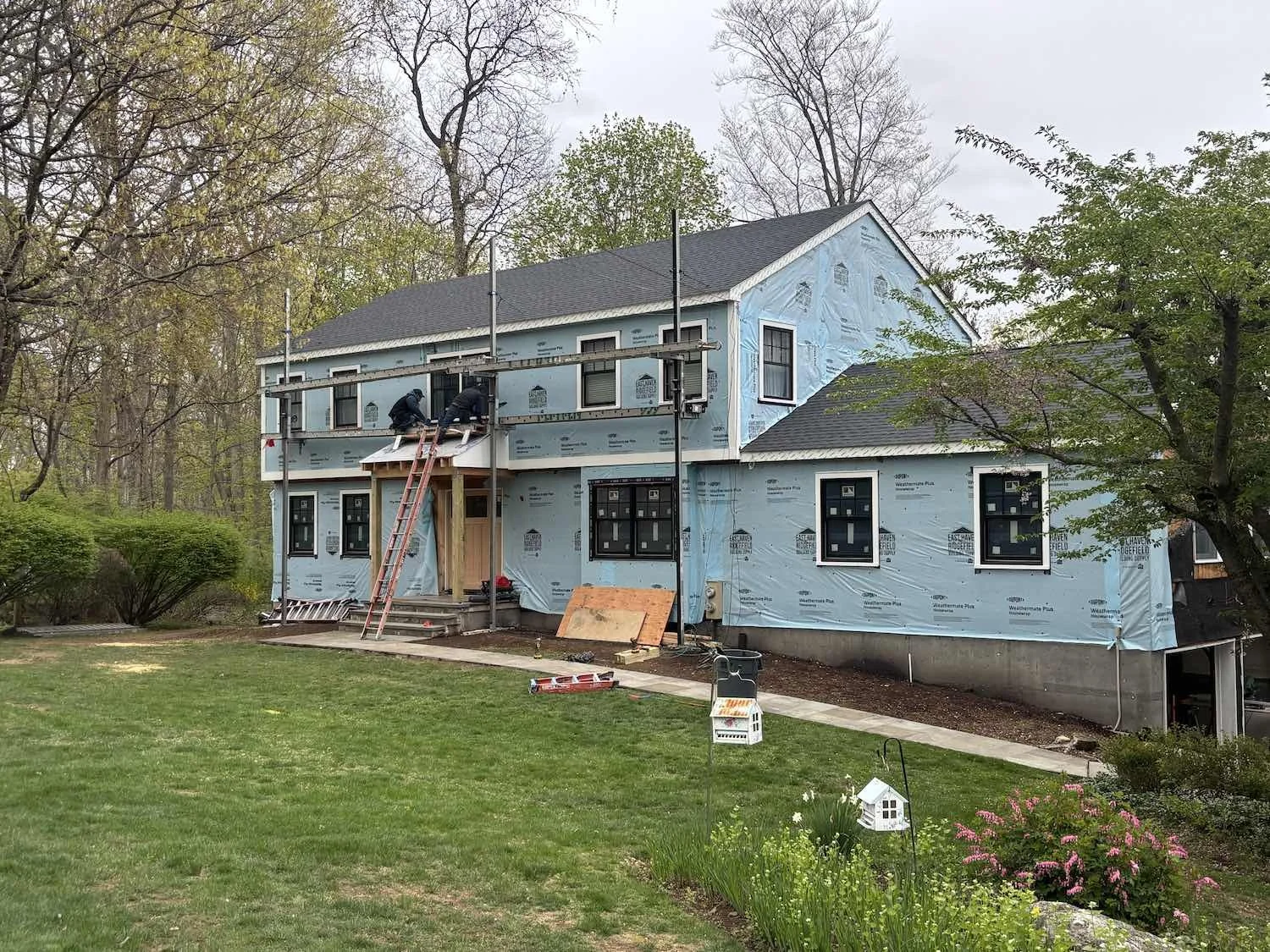
If you have an expert architect or designer, why is the risk not eliminated? Shouldn’t they know the codes?
The reason even a veteran cannot always predict the building department requirements is that they are constantly changing, and enforcement varies widely by town. Each municipality has the right to enforce the state building code of whatever year they choose to adopt, so each town is enforcing different codes. In watching building department feedback over the last 27 years across almost every town in Westchester and lower Fairfield, my experience is that there’s no telling what they’ll come up with. Things that have passed for decades will suddenly be rejected.
So in considering whether to order windows, doors and custom product before plan review approval, the homeowner must evaluate their own risk tolerance.
Risk Tolerance vs. Critical schedule
Only a homeowner knows whether moving the project timeline up by pre-ordering windows during plan review is worth the risk.
For example: Someone who has a closing date to be out of a house may have much more at stake than the cost of a window to get out of their old home and into the new. This is a call only the homeowner can make because windows and custom cabinetry are not returnable, and if a building department change affects something you’ve purchased, you’ve already incurred the cost and may have to buy a replacement. The role of the builder is to be sure if you do roll the dice, you are doing it with eyes open.
4 RISK FACTORS TO CONSIDER
Here’s a summary of factors that make the pre-ordering of product prior to plan review approval by the building department more or less risky.
1. Architectural Review Board (ARB)
If the town where you are applying for a building permit has an Architectural Review Board (ARB), and your project is of a nature that will trigger ARB review, this is an important risk factor. If the project involves significant work on the exterior and particularly the front elevation, the project blueprints will be reviewed by the ARB prior to submission to the building permit. ARB review is pretty subjective and is done by a committee of volunteers – to opine whether the project design fits in with the town’s aesthetic. We generally recommend not ordering windows, doors or other custom, long lead items until the project has ARB approval.

Because it is subjective, the ARB is your highest risk for requiring changes to your design. A design change that affects a window size or shape might affect cabinetry at the interior.
2. SCALE OF PROJECT
The larger the project & cost of special order items, the larger the financial risk of pre-ordering prior to building department approval. If you are doing a sizeable renovation, but there is only one window, the risk is just the cost of that one window. But if your project involves a dozen windows and $75k in custom cabinetry, it’s putting a lot at risk.
3. BUILDING DEPARTMENT TIMELINES
Another factor in the risk/reward tradeoff for pre-ordering product before approval is the typical timeline for permit approval. Just to give 2 examples, the Town of Lewisboro often approves permits in about 2 weeks, where the Village of Mamaroneck can often take months. So if your building department offers fast turnaround, why not wait for plan review approval before ordering product?
4. CONVENTIONAL OR EDGY
If your project design is traditional and a match to other homes in the community there is less risk of changes from the ARB. Consider the age demographic of a volunteer based ARB committee – usually older or retired. If your design is radical and funky or way out of the norm for the neighborhood, there may be more risk of input or pushback from the ARB. Also, even though the style of the design is not supposed to affect building departments, unusual designs will sometimes be subjected to more scrutiny by building inspectors.
WHAT CAN THEY HAVE INPUT ON THAT WILL CAUSE CHANGES?
The ARB might insist on different windows or shapes of windows or doors. Once we had an ARB require a customer to put a bay window into a garage because it made the front of the house look more balanced! If the ARB adds or eliminates a window, it can affect the interior floor plan.
The ARB can have input into the siding or color of the siding product on a home.
The ARB can give input on the shape of the structure of the home, which obviously could have all kinds of fallout, affecting windows, siding, cabinetry, etc.
The building departments each enforce varying energy codes with required U Factors for windows. It may sound crazy, but municipalities are not required to adopt state building codes, so one town could be enforcing 2019 state codes and another 2025 codes.
Enforcement of where windows are to be tempered is not consistent between municipalities.
The fire rating (20 minute vs. 90 minute) is not universally enforced across municipalities.
Towns are enforcing different insulation codes. The 2025 code is now requiring R30 insulation in walls, which will not fit into a 2x6 conventional exterior wall, unless you use closed cell foam insulation. So an insulation requirement can affect wall thickness, room sizes and windows!
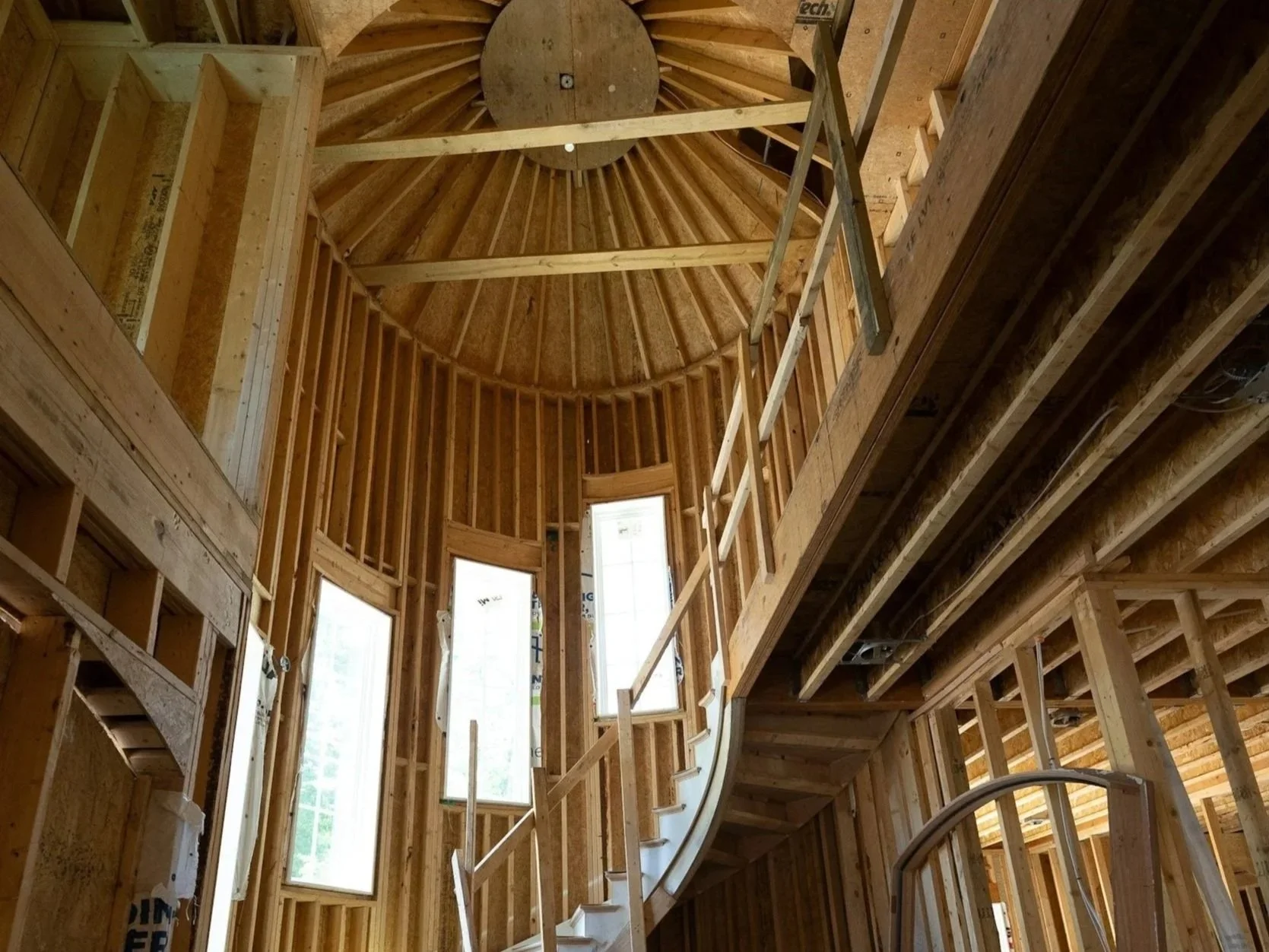
It’s your call whether to order product before permit approval – the builder’s job is to advise you of the risk.
Conclusion
The safest approach is to wait for plan review approval before ordering doors, windows and custom long lead product. But I hope this article is helpful in analyzing risk factors for homeowners who are looking to be on a fast track and have some risk tolerance.